ANTICIPATION - XCALAK 2026
By Luciano Saldise
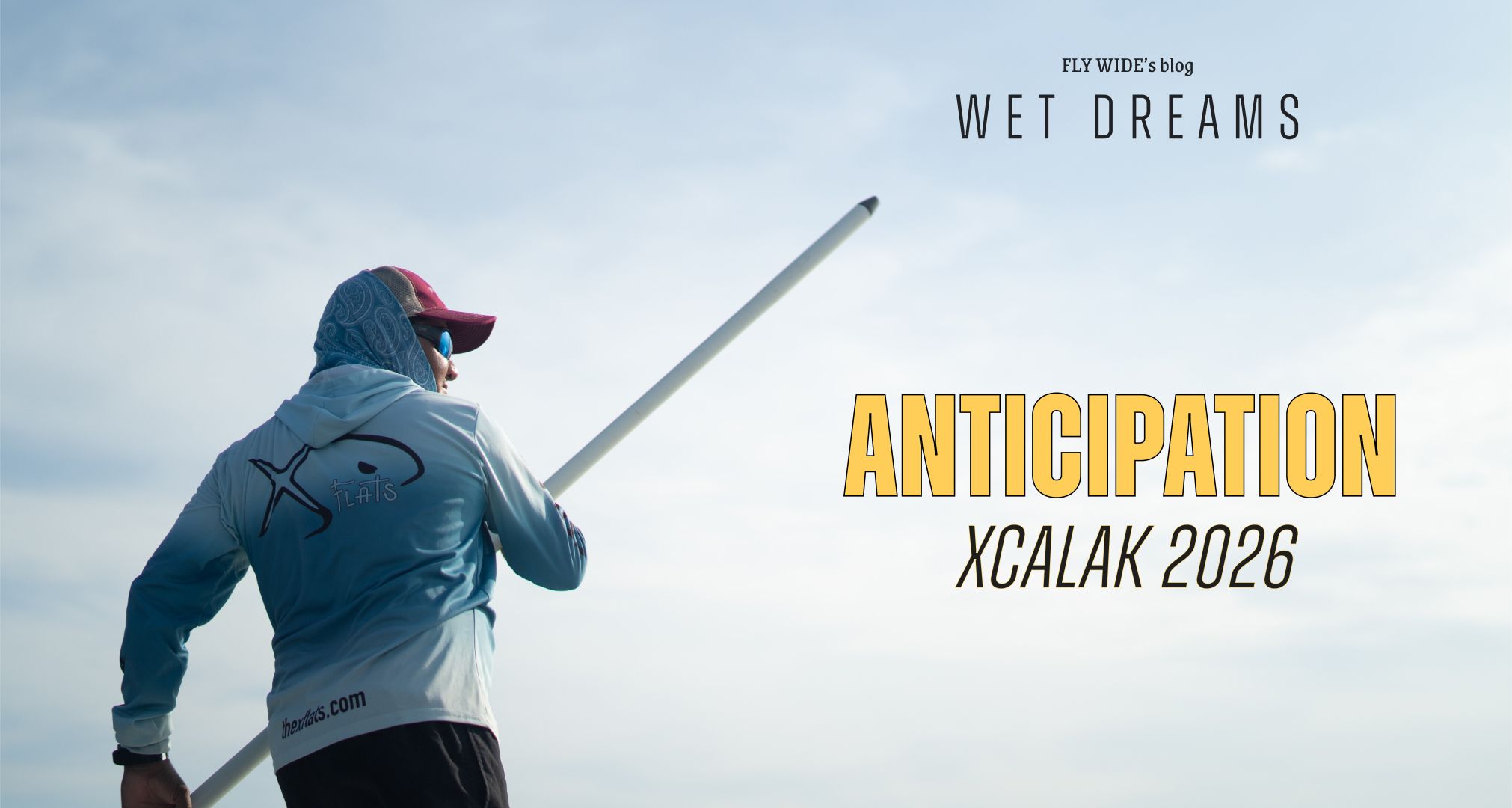
It’s a reminder of why we started Fly Wide in the first place: to chase fish in wild places, with good people, and to eventually invite others to do the same.
A Permit Pilgrimage to Xcalak, México
A Fly Wide Trip with Friends
There’s something special about traveling with people who see the world the same way you do. People who don’t measure distance in miles, but in tides. Who doesn't plan trips around room service and infinity pools, but around moon phases, wind direction, and the subtle language of fish.
This spring, six friends — all professional fly fishing guides — are heading north, all the way from Patagonia to the Mexican Caribbean, bound for the quiet village of Xcalak, with one shared obsession: permit.
This is not an exploratory trip, but a very first time for some of my friends. A chance to explore new water, fine-tune logistics, build relationships with local guides, and see firsthand what it takes to turn this destination into a true Fly Wide experience.
It’s also something more than that.
It’s a reminder of why we started Fly Wide in the first place: to chase fish in wild places, with good people, and to eventually invite others to do the same.
If everything lines up the way we hope, you’ll be able to join us in Xcalak in 2027.
Xcalak itself…
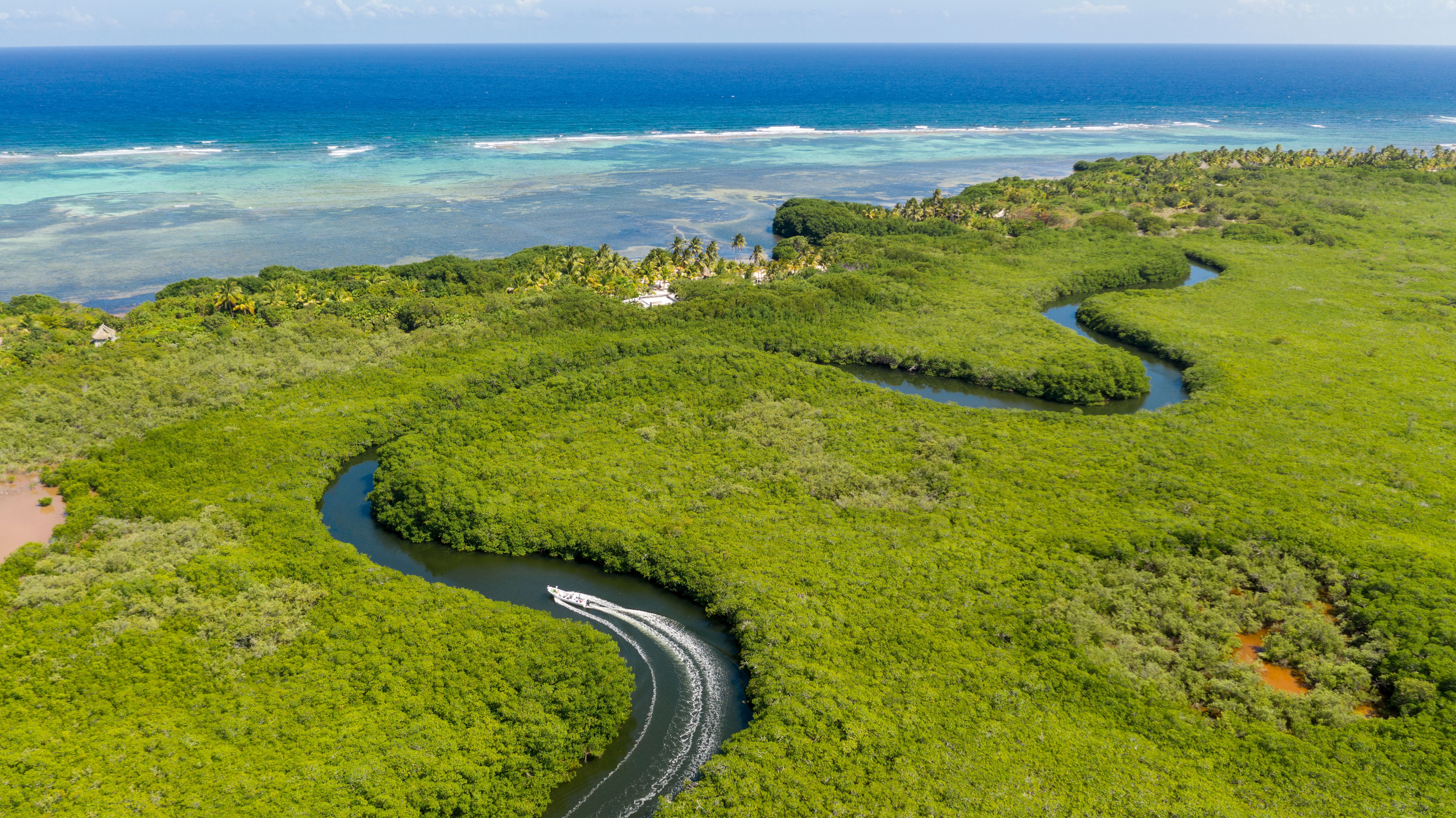
Xcalak sits just north of the Belize border, tucked inside the Mesoamerican Barrier Reef system, the second largest reef in the world.
It’s a place defined by shallow flats, mangrove-lined lagoons, channels, and reef edges. A place where you might pole over turtle grass in the morning, stalk hard white sand in the afternoon, and finish the day watching tarpon roll at sunset.
There are no big resorts here. No cruise ships. No nightlife scene. Just fishing, warm water, cold beers, and early mornings.
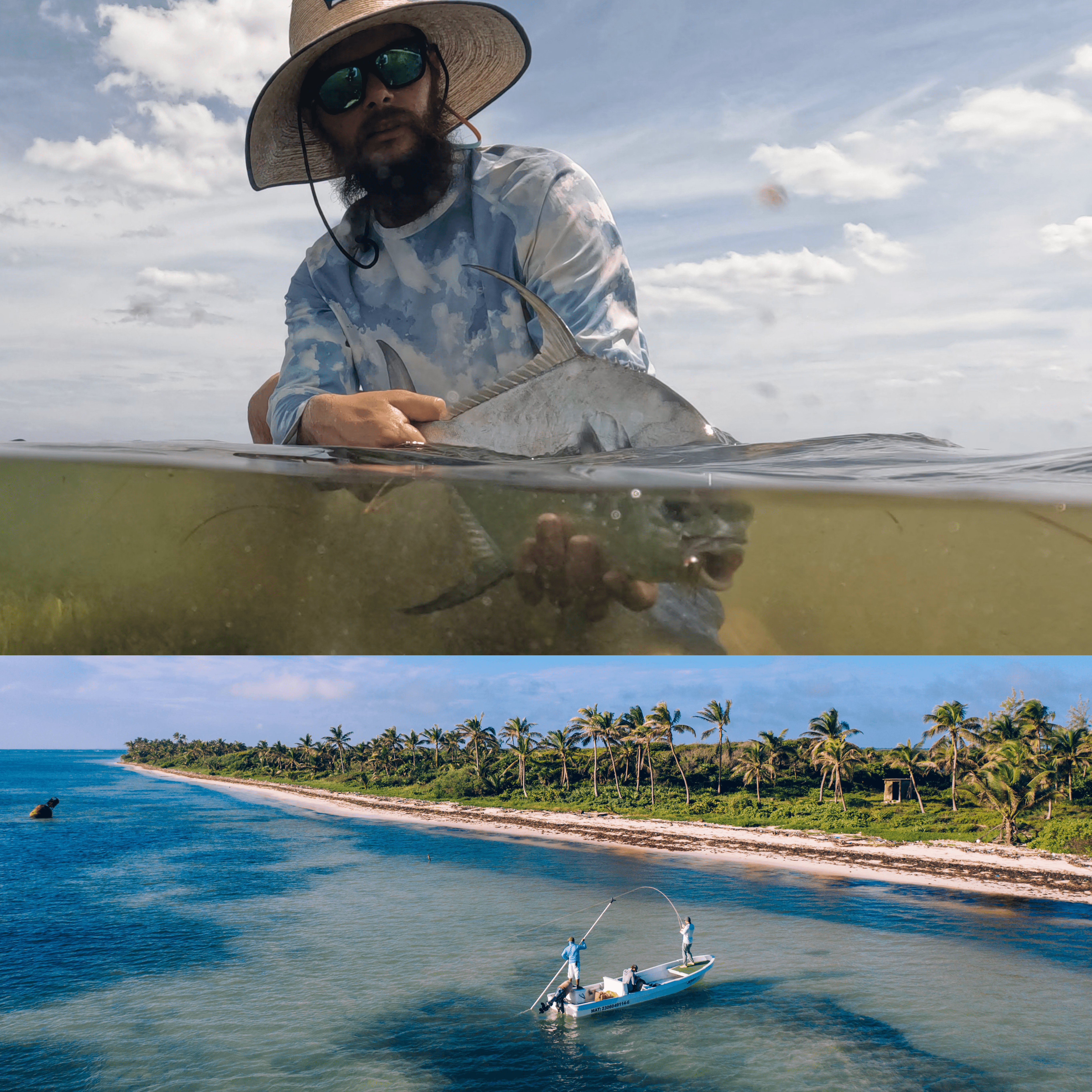
Last time we were up there, it was 3 years ago. We stayed at the Xflats a purely curated lodge working with some of the best guides in the area. Despite checking maps and talking to anglers that have visited previously, to my surprise, it was a way smaller village than I thought but with unreal fishing vibes.
With a long and straight shoreline of arround 25 to 30 km moving north and south from the village and access to the one and only Chetumal bay, makes Xcalak most likely one of the most productive permit fisheries in the world.
Sargassum
There’s one more character in the story of Xcalak that deserves an honest mention: sargasso. Every year, winds and currents push massive mats of sargassum across the Caribbean, and parts of the Mexican coast feel it harder than others. Xcalak is no exception. Some weeks the beaches stack up with it. Other days, the south wind shifts and the flats are clean, green, and alive.
It’s simply part of the game.
But here’s what matters: sargassum rarely defines the trip. It moves. It piles into certain corners and leaves others untouched. The outer flats, turtle grass edges, and ocean-side structure often remain very fishable. And permit — stubborn, tailing, maddening permit — don’t stop being permit because there’s weed on the beach.
If anything, changing conditions sharpen the game. Youll see guides poling harder. We adjust angles. We look for clean lanes. We hunt.
And here’s the twist.
Where there’s drifting weed, there’s life.
Sargassum isn’t just floating algae — it’s a traveling ecosystem. Tiny baitfish, shrimp, and sargasso crabs ride those golden mats and Permit know it.
On the right tide and light, you’ll see them slide off the edges and tip up under the weed, picking crabs off the surface. Tails flicking. Dorsals cutting. When it happens, the game shifts. It’s no longer about heavy flies and hard leads — it becomes delicate, almost trout-like. Longer leaders. Softer casts. Letting a floating crab drift naturally through open lanes between weed patches.
Yes, sargasso changes the look of the water.
But it also creates opportunity. It concentrates food. It triggers surface feeding. It gives us another way to play, a variable we’re happy to embrace.
Getting there / Flights
Most international travelers will fly into Cancún International Airport (CUN), one of the easiest hubs in Latin America to reach from North America and Europe.
From Cancún, there are two primary options:
- A short domestic flight to Chetumal, followed by a ground transfer.
- A scenic drive south along the coast (approximately 4.5–5 hours).
No matter what your choice is for getting to Xcalak, we highly recommend building in a couple of extra days at the front and/or back end of your trip to experience more of Mexico beyond the sight of fish tailing. Besides tideds and the rhythm of the water, the country has a way of pulling you in—inviting you to slow down, soak up the atmosphere, wander through the vibrant energy of Cancún and Tulum. Step back in time while discovering ancient Maya ruins emerging from the jungle, adding depth and contrast to an already unforgettable fishing adventure.
Trade your skiff schedule for long lunches, fresh ceviche, and tortillas, then finish the day barefoot on white-sand beaches just minutes from city center. It’s the perfect way to round out a fishing adventure—letting the culture, flavors, and coastline become part of the story you take home.
Time of the year
A couple of years back we made this run in October. The beaches carried long ribbons of dry sargassum but with plenty clear shots to swimming or tailing Permit. The migratory tarpon hadn’t arrived yet, and the flats felt quieter—but the weather was gentle, and forgiving, the kind that lets you settle into the rhythm of the place. It was a beautiful trip in its own way, calm and reflective.
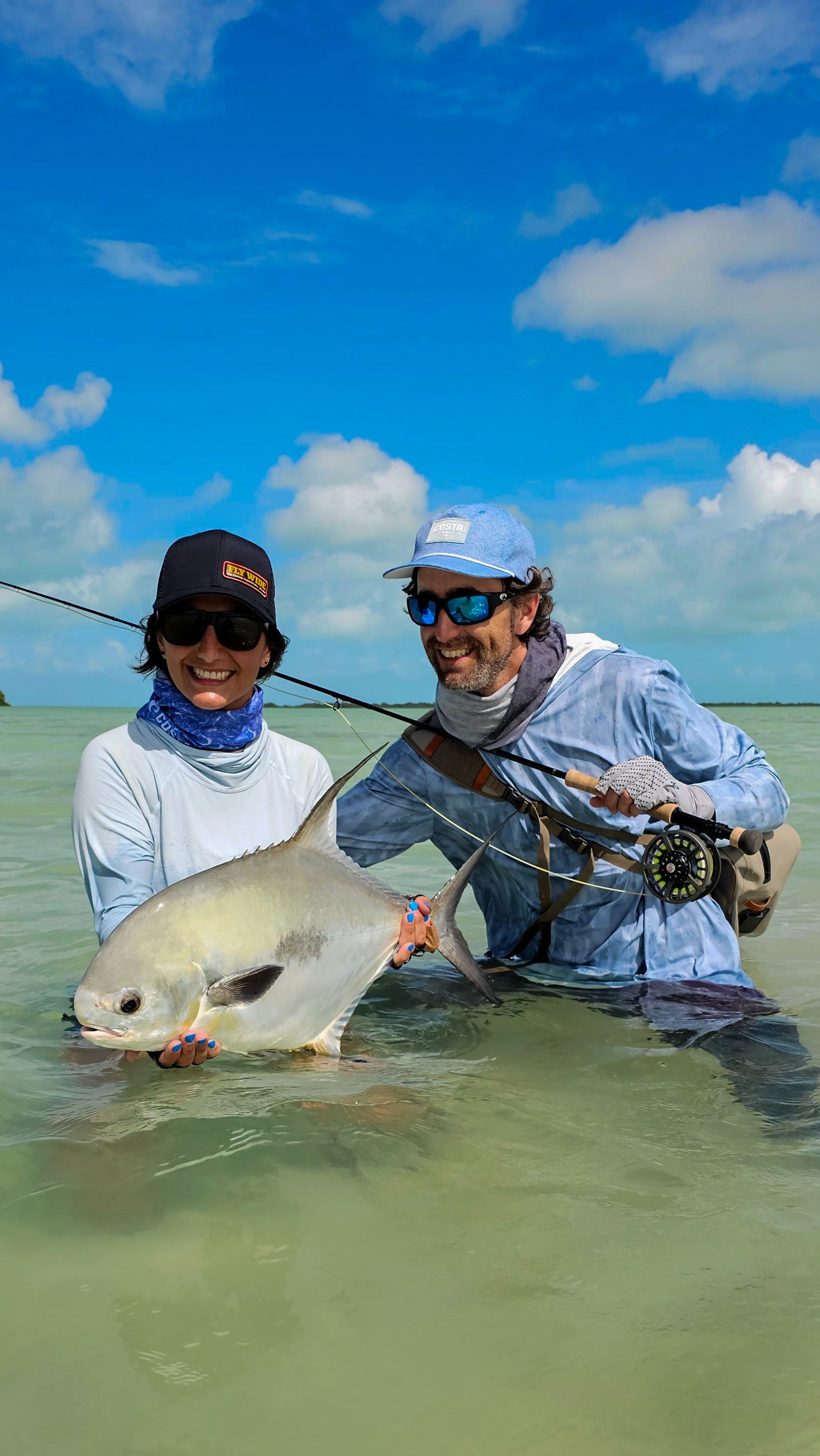
This time, though, we’re returning in May, right when the coast comes alive. The tarpon migration should be in full swing, bringing rolling fish, pushing bait, and that anticipation that builds with every morning. And with the fresh sargassum in the system come the one and only, sargassum crabs—one of the most exciting pieces of the puzzle. When permit key in on them, they often rise aggressively to feed, turning the flats into a fast-paced game where every cast counts. It’s easily one of the most adrenaline-charged scenarios in fly fishing: spotting the fish, timing the shot, and watching the eat unfold right in front of you.
The month of May feels like the coast is at its absolute peak. Same endless horizons, same turquoise water, but a different energy alltogether, drawing us back once again to this corner of Mexico with the feeling that the next cast could be the one you remember for years.
Species
This corner of the yucatan peninsula, is well known for holding a very wide range of sporty species on the flats and deeper water, making it super versatile in terms of water and moments of the day you look for each specie, we are talking Permit, Bonefish, Tarpon, Jack, Triggers, Snook and Barracudas.
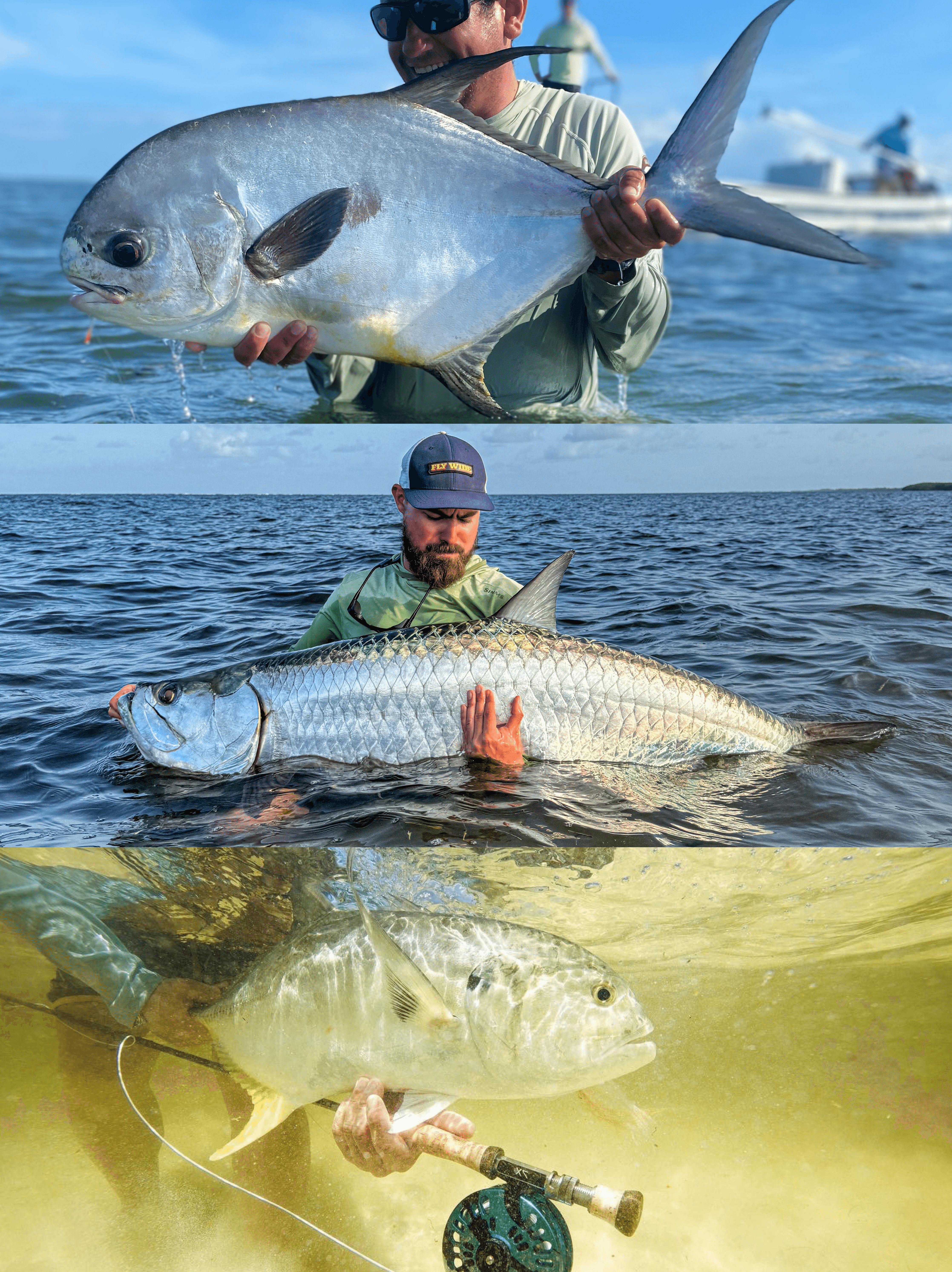
Bonefish (Albula vulpes)
The true ghosts of the flats and often the first love of saltwater fly anglers. Bonefish are the most abundant target across many systems and famous for their blistering first run the moment they tip down on your fly. Singles and doubles can be notoriously selective—and usually the biggest—but when you find a school, the odds of going tight jump dramatically.
Tarpon (Megalops atlanticus)
The silver kings, unmatched in power and aerial drama. Most days you’ll find them laid up along mangrove edges and inside lagoons hunting bait, but time the tides and season right and the migratory fish—bigger, heavier, and unforgettable
Permit (Trachinotus falcatus)
The holy grail of flats fishing and a puzzle that never quite gets solved. Hyper-selective and endlessly humbling, they’re typically fed with crab or shrimp patterns worked slowly along the bottom. Like bonefish, you’ll often spot them tailing, but convincing one to eat is where the magic—and the obsession—lives.
Triggerfish (Balistes vetula)
Vibrant, curious, and surprisingly tough. Found over shallow coral and hard bottom, they tip down with their tails waving as they feed, offering a visual shot that’s pure fun. Their name comes from the locking dorsal spine they use to wedge safely into structure.
Jacks (Caranx latus)
Powerful coastal predators and close cousins to GTs. Aggressive, fast, and never shy to crush a fly, they range roughly from 3 to 12 kilos and will test both angler and gear whether you meet them on the flats or over deeper edges.
Different species. Different shots. Different lessons every day.
That’s the beauty of fishing yucatan peninsula — you never really know which one will define the trip,
Gear
We always recommend to take 3 setups ready to shoot (and a couple extra rods unrigged just in case…) a #7 or #8 for bonefish, a #9 or #10 for triggers, permits and jacks, and the big stick #11 or #12 for the tarpon!
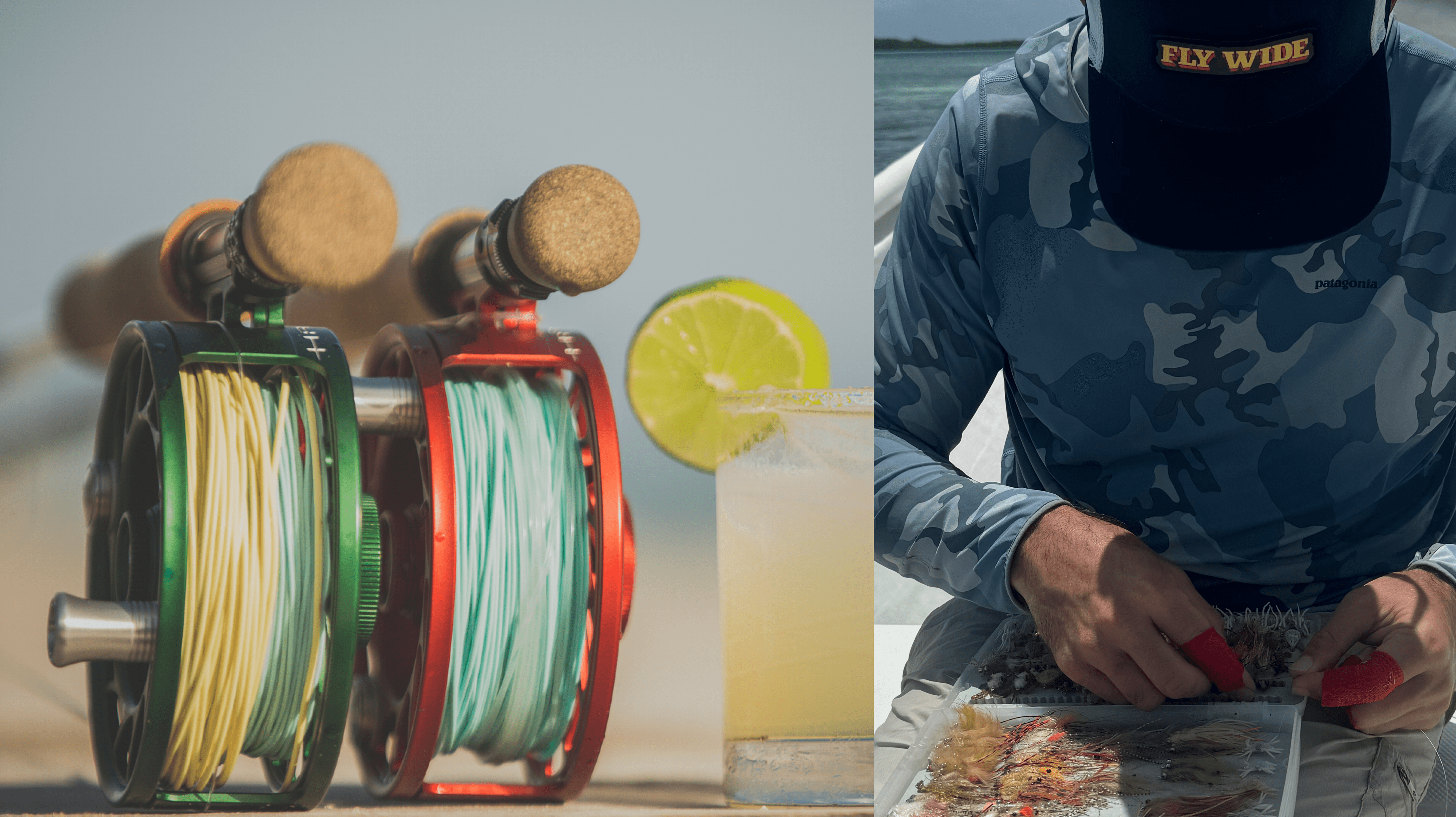
For me, personally, Permit setups are a side chapter. In Mexico I always carry 3 rods ready to shot. As some of you may know, some permit give you the time to change flies several times and re cast to the same fish. Doesnt really matter if they are 8wt, 9wt or 10wt. But one things for sure, each one with a different menu, one with a weighted crab, one with a weithed shrimp and one with a floating crab. It happed on previous trips that you come across a permit fidding on the surface and by the time you change fly and everything, SHE GONE. SInce then i’ve been ready to quickly offer them different dishes.
Tackle List
- Rods: #8; #9/10; #12 (bringing a backup of each is highly recommended)
- Reels: #8; #10; #12 (with gelspun backing)
- Floating Lines: #8, #10 -SA redfish-
#12 -Rio elite tarpon-
- Fluorocarbon (lbs) 12, 15, 20, 40, 60 and 80
- A couple intermediate/sinking tips
- Wire tippet AFW or RIO 30 lbs
- Saltwater pliers / forceps
- Bonefish flies: Gummy minnows, gotchas, squimps, spawning shrimp,mantis shrimp, bitters, golden knight, pillow talk, bitters
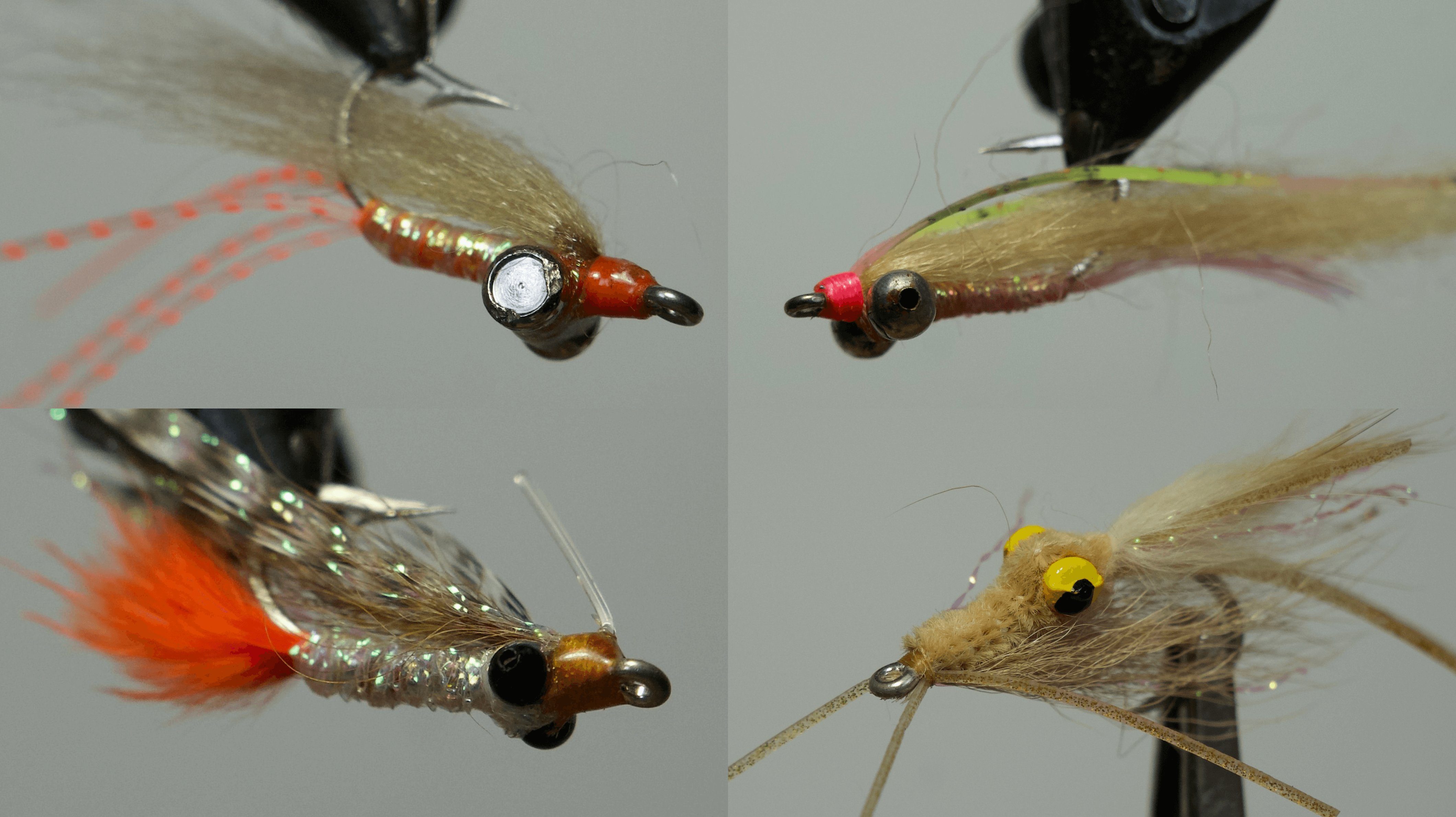
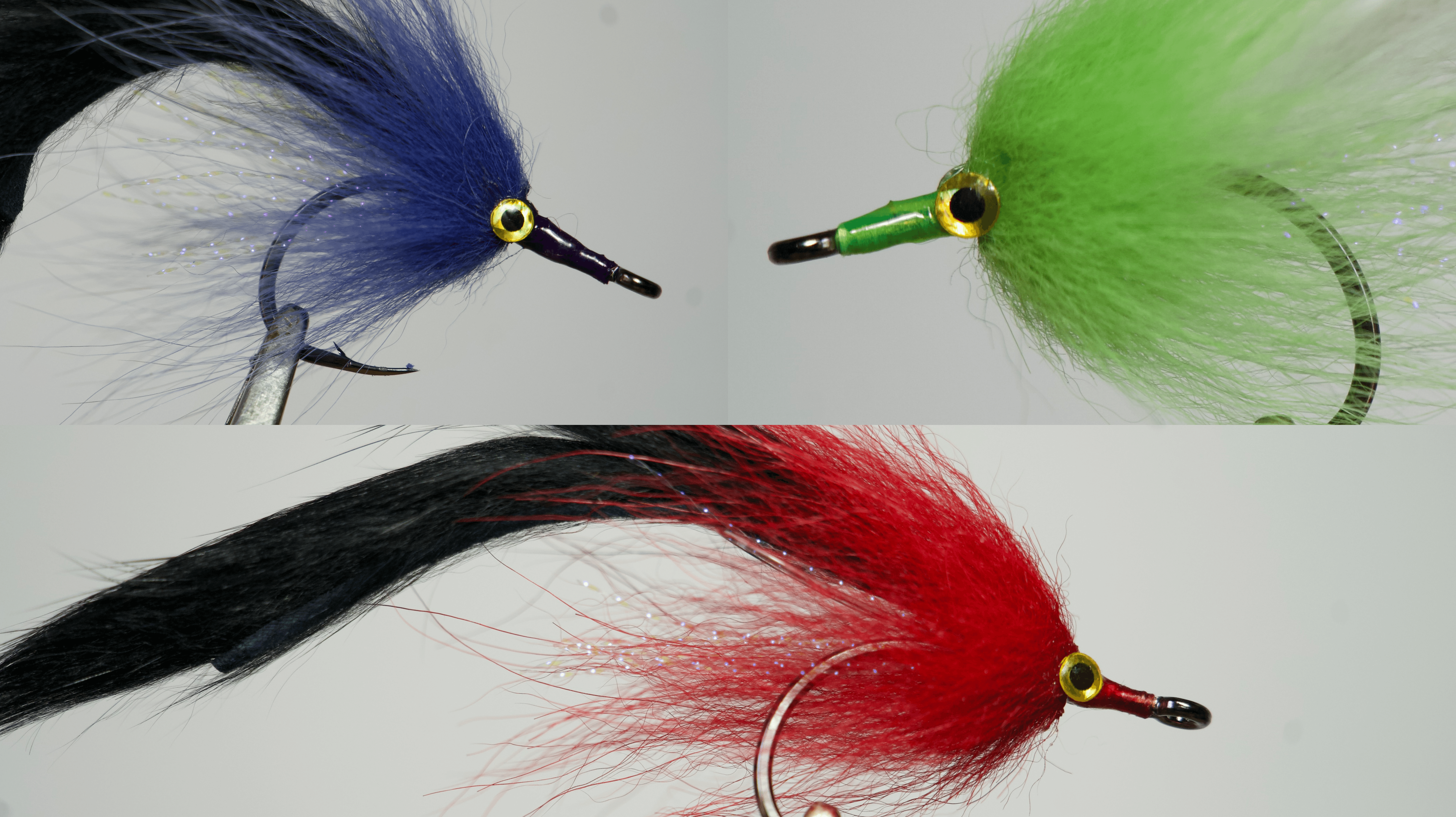
- Permit flies: Avalon, spawning shrimp, flexo, strong arm, floating sargasum crab merkin, kung fu crab, mantis shrimp, squimp
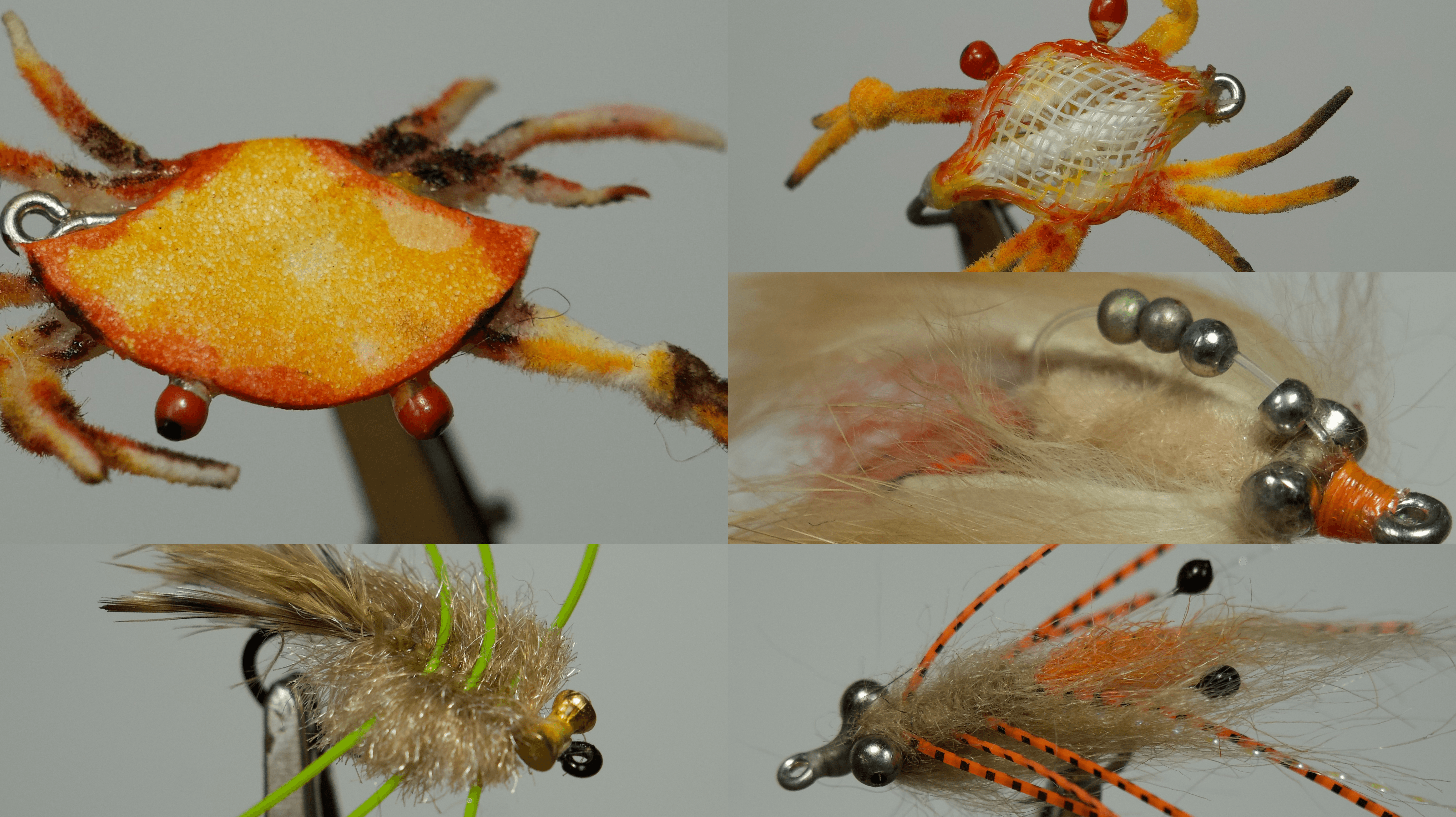
- Tarpon flies: gummy minnow, tarpon bunny, tarpon roach, andino deceiver, GT brush and any big shrimp, a couple of monster black flies for night fishing
Sunnies
A crucial part of our equipment are sunglasses. Beeing ready for light changes due to big clouds its pretty much essencial. While flats fishing i always like to CARRY 2 DIFFERENT GLASES ON. Same as with setups rigged, you can be ready to quickly switch when a cloud comes in or the sky clears up. My go to sunnies are Costa 580 glass, one in Ambar Green Mirror and the low lights Sunrise Silver Mirror. Keep in mind its not only protection, but a key element to be able to incrase your chances !
Closing
Trips like this are never just about a fish. They’re about the early alarms, the quiet rides across the flats, the missed shots, the perfect ones, and the people who stand next to you through all of it. Xcalak reminds us that the best destinations aren’t defined by luxury or numbers, but by moments — a tail flicking in the sun, a shared laugh on the skiff, the feeling that you’re exactly where you’re supposed to be.
If this place has been on your mind, keep it there. We’ll be back, and soon enough, the invitation will be open to experience this corner of Mexico together.
Thanks for your reading time
Luciano
Published: 24/2/2026
anticipation-xcalak